Two of Philadelphia’s most powerful corporate institutions are filling their commercial real estate with locally owned small businesses in pop-up storefronts — and calling it a summer program.
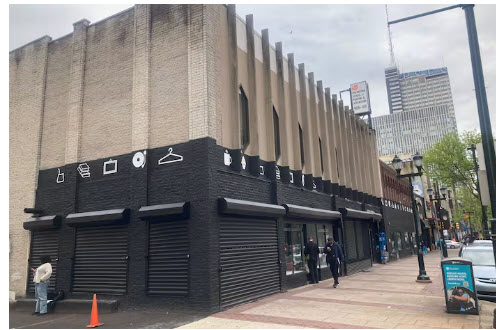
The 76ers and Comcast have announced the businesses coming to East Market, a mixed-use development along Market Street, as temporary pop-up tenants for the summer season. The businesses are locally owned, the storefronts are time-limited, and the whole arrangement is being framed as community activation rather than standard commercial leasing.
That framing is worth examining. What’s being described is a structured booth economy inside a major corporate real estate development: small vendors get a temporary physical presence in a high-traffic location, the anchor institutions get activated street-level retail without long-term lease commitments, and the neighborhood gets visible small business presence during a period when the corridor is still building identity.
It’s a familiar structure. Kansas City announced a nearly identical program this week — its Open Doors! initiative is placing more than 20 pop-up businesses in vacant storefronts ahead of FIFA World Cup 2026, with a small business guide being developed alongside it. Philadelphia is also a World Cup host city, which raises an obvious question: is the East Market program a preview of a broader vendor activation strategy for the tournament, or a coincidence in timing?
Either way, the model emerging across multiple cities is the same — major institutions and municipal governments are using temporary vendor programs to animate commercial space they can’t fill any other way right now. The booth economy is becoming infrastructure.
When institutional landlords start thinking like market organizers, the booth economy has arrived somewhere new.
Source: MSN / Philadelphia